Tuesday, December 9, 2025

Doodle Grooming Styles & Tips

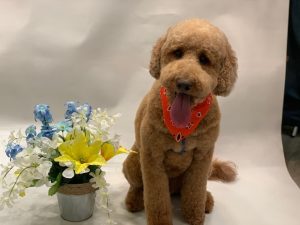
Teddy bear doodle cut

Got a fluffy Doodle who’s starting to look more like a walking cotton ball than a dog? You’re not alone. These adorable crossbreeds are basically fur magnets, and without regular grooming, they can quickly transform from “aww, so cute” to “is that a dog or a small sheep?”

The thing about Doodles is they inherit that gorgeous, low-shedding coat from their Poodle parent—but with great fluff comes great responsibility. Did you know that roughly 78% of Doodle owners underestimate how much grooming these pups actually need? We see it all the time at Hound Therapy: loving pet parents who thought they were getting a “low-maintenance” breed, only to discover their sweet pup needs professional attention every 6-8 weeks.

Different options for grooming Doodles

But here’s the good news—once you get the hang of it (or find the right groomer), keeping your Doodle looking fresh becomes way less overwhelming. Let’s dive into some popular styles that’ll have your pup looking like they just stepped off the cover of Dog Fancy magazine.

The Teddy Bear Look

This one’s basically what it sounds like—your dog becomes a life-sized stuffed animal. We keep the fur soft and fluffy all over, with no dramatic shaved areas. The face gets rounded out to enhance those sweet puppy eyes, and honestly? It’s impossible to look at a Teddy Bear cut without smiling.

Teddy Bear Doodle cut

Your pup ends up looking like they belong in a toy store window, which is exactly the point. We tried this cut on a client’s Goldendoodle last month, and the owner couldn’t stop taking pictures. Fair warning though—this style requires more maintenance between visits since all that fluff shows mats pretty quickly.

If you’re thinking about attempting this at home, proceed with caution. It looks simple, but getting that perfectly rounded, even teddy bear shape takes practice. And trust us, your dog’s ego might take a hit if the first few attempts look more “lopsided hamster” than “adorable teddy.”

The Poodle Look

For those who want to honor the Poodle side of the family tree. This distinguished look features an even, short shave across most of the body with longer, shaped hair on the ears. Think of it as the “business professional” of dog grooming styles.

Poodle look on a doodle

The beauty of this cut lies in its clean lines and traditional elegance. Once we shave down the majority of the coat, we use thinning shears to perfect those crisp edges. Your pup will strut around like they own the place—and honestly, they should.

Here’s why busy pet parents love this style: minimal upkeep. No daily brushing marathons, no surprise mat discoveries, just a clean, regal-looking dog who’s ready for anything. Plus, it keeps your Doodle cool during those brutal Texas summers.

Lion Look

Okay, this one’s not for the faint of heart. We’re talking full-on Mufasa vibes here. The body gets shaved down completely, but we leave a glorious mane around the head and chest, plus a cute little puff at the end of the tail.
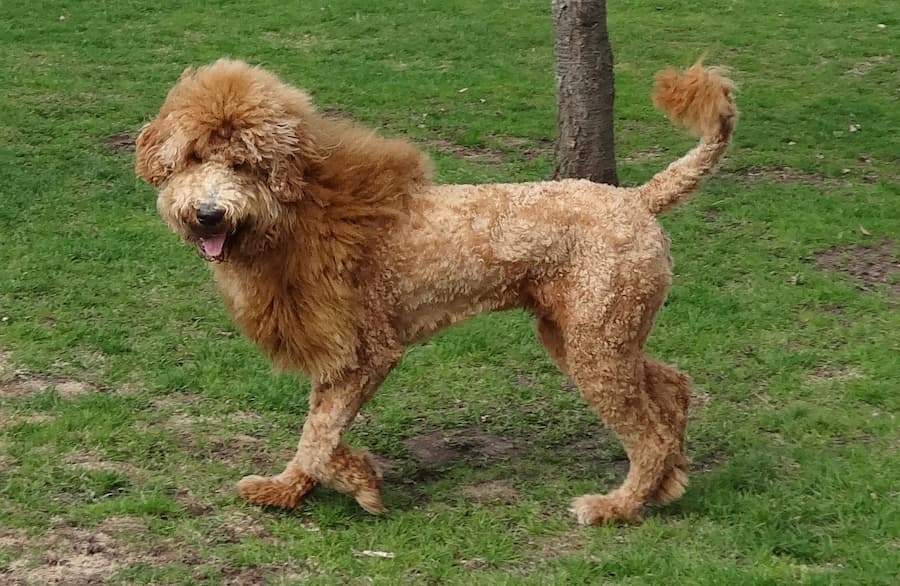
the lion haircut is best left to professional Doodle groomers

It’s definitely a conversation starter. One of our clients opted for this cut last summer, and their dog became the neighborhood celebrity. Kids would literally run up asking if they could pet “the lion dog.”

Fair warning: this cut requires some serious grooming skills to pull off correctly. Get it wrong, and your pup might look less “king of the jungle” and more “had an unfortunate encounter with a lawn mower.” But get it right? Pure magic.

The Puppy Cut

This is probably what you think of when someone mentions dog grooming. Everything gets trimmed to a uniform length—usually about an inch or two—creating that classic, well-groomed puppy look. It’s fresh, it’s clean, and it works on pretty much every Doodle.

The teddy bear cut is one of many Doodle grooming styles

DIY enthusiasts love this cut because it’s more forgiving than some of the fancier styles. If you’re just starting your at-home grooming journey, this is your training wheels cut. Even if it’s not perfect, it’ll still look intentional.

Professional groomers can knock this out pretty quickly too, which means less stress for anxious pups and faster turnaround times for busy families.

The Doodle Lamb Look

Picture longer, flowing hair on the body that blends seamlessly into even longer hair on the legs. It’s all about those smooth scissoring techniques that create a cohesive, elegant silhouette.

This cut gives your Doodle an almost ethereal, cloud-like appearance. We use careful scissoring to blend the body hair with the leg hair, creating those smooth transitions that make the cut look effortless (even though it definitely isn’t).

A doodle grooming style featuring the lamb cut

Big Paws (Custom)

Sometimes you just want to get weird with it, and that’s totally fine by us. We spotted this random style on Instagram and couldn’t resist sharing it. The concept? Shave everything except the paws and leave a little mustache situation happening on the face.
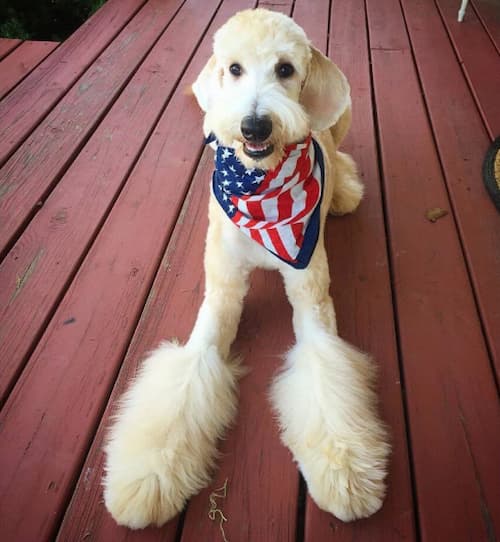
Big Paw custom Doodle grooming style

Does it look a bit like your dog’s wearing fuzzy slippers and sporting facial hair? Absolutely. Is it ridiculous and wonderful? Also absolutely. There are no hard rules in dog grooming, so if you want your pup to look like they’re channeling a 1970s detective, we’re here for it.

Tips On How To Groom A Doodle

If you decide to shave your Doodle down, it’s important to follow these tips:

i. Grooming the Face

Always, always start with the face. We shave down the muzzle area to create that clean, tapered look that makes those eyes pop. The areas around the mouth and near the eyes get special attention because—surprise!—that’s where mats love to hide.

Think of it like doing your own makeup routine. You start with the foundation (face grooming) before moving on to the details. Your Doodle’s face sets the tone for the entire cut.

ii. Dealing With Matted Hair

Let’s be honest: if you have a Doodle, you have mats. It’s basically a law of physics. The key is dealing with them safely. Small mats can usually be worked out with detachable clippers and some patience, but larger ones might need professional intervention.

Here’s what we’ve learned after years of mat battles: never try to shave through a mat that’s still attached to your dog. That’s a one-way ticket to accidentally nicking their skin, and nobody wants that drama.

iii. Grooming the Legs

Leg grooming is all about working your way up from the feet to the thighs. We always shave upward against the grain to catch any hidden mats and ensure an even cut.

Pro tip: those leg areas are where Doodles tend to get the most sensitive, so take your time and keep the mood calm. Maybe play some spa music—your dog might not appreciate classical, but it’ll help keep you relaxed.

iv. Shaving Down the Back and Belly of a Male Doodle

For male Doodles especially, we reverse our technique here and shave downward. It’s all about following the natural grain of the hair while being extra careful around, well, sensitive areas. This is definitely one of those “when in doubt, call a professional” zones.

v. Grooming the Paws

The paw styling is where you can really make a cut shine. Long, deliberate strokes around the paw pads create definition and give your pup that polished, intentional look. It’s the difference between “freshly groomed” and “professionally groomed.”

When To Groom Your Puppy And How Frequently Thereafter

Here’s the deal with Doodle grooming schedules: it depends on your dog’s specific coat type, but most need professional attention every 6-8 weeks. That’s not just us trying to drum up business—it’s reality.

If your Doodle’s undercoat doesn’t shed naturally, you’re looking at monthly touch-ups. If they do shed some undercoat, you might stretch it to every three months. But honestly? Don’t wait until fall to start a grooming routine. That’s how you end up with a matted mess that requires more drastic measures.

Did you know that regular grooming can actually extend your dog’s lifespan? It’s true—keeping their coat healthy prevents skin issues, reduces allergens, and makes it easier to spot potential health problems early.

Precautions You Should Take When Grooming Your Doodle

i. Getting Professional Help

Look, we love a good DIY project as much as the next person, but grooming inexperience can lead to real problems. If you’re not confident with clippers, scissors, or dealing with an anxious dog, there’s no shame in booking a professional appointment.

We’ve seen too many “oops” moments that could have been avoided. Your dog’s comfort and safety are worth more than saving a few bucks.

ii. Brushing Out Loose Hair

Before you even think about turning on those clippers, brush out all the loose hair. Seriously—this one step will save you so much frustration later. We also recommend clearing out any ear hair (there are special tools for this) and doing a thorough mat check.

That pre-grooming routine can take anywhere from 10 minutes to an hour depending on your dog’s coat condition, but it’s time well spent.

iii. Doing A Thorough De-Matting

You must do a thorough de-matting before shaving your Doodle down which can be done using a de-matting rake and can take anywhere from 10 minutes to up to an hour which isn’t that bad considering the overall process.

iv. Using The Right Tools and Equipment

Invest in quality equipment designed specifically for dogs. Human clippers aren’t going to cut it (pun intended). You’ll need a good slicker brush, an undercoat rake, proper dog clippers with breed-appropriate blades, and maybe a ear hair blower if your Doodle’s ears are particularly fluffy.

v. Groom Your Dog In A Calm Environment 

Your dog picks up on your energy, so if you’re stressed about grooming, they will be too. Create a calm environment—maybe put on some soft music, make sure the room is warm enough, and have some high-value treats ready for positive reinforcement.

We always tell our clients: grooming should never feel like a battle. If your dog is genuinely distressed, it’s okay to take a break and try again later.

vi. Combing Out Your Doodle’s Coat First

Before you start shaving your Doodle down, comb out his coat first so that any mats and tangles can be taken out which will help make the process smoother and more efficient.

At the end of the day, you must take these precautions into account when grooming your Doodle at home. There are lots of resources out there that can help you with how to groom your Doodle. It is recommended to do some research before getting started so that you know all about what you’re doing beforehand.


source https://www.houndtherapy.com/blog/doodle-grooming-styles-tips/

Monday, December 8, 2025

Types of Desensitization Techniques for Grooming Dogs: Practical Methods to Reduce Fear and Anxiety

Many dogs feel scared or anxious during grooming sessions. They might shake, try to escape, or even snap at the groomer. Desensitization techniques gradually expose dogs to grooming activities in a controlled way, helping them build positive associations and reducing their fear over time.

These methods work by breaking down grooming tasks into small, manageable steps. A dog learns that nail trimmers, brushes, and baths aren’t threats. The process takes patience, but it transforms grooming from a stressful ordeal into a calm routine.

Learning the right desensitization approaches makes grooming safer and more pleasant for both dogs and their handlers. The techniques covered in this guide address specific grooming challenges and help create lasting behavioral changes. Each dog responds differently, so understanding various methods gives owners and groomers the tools to find what works best.

Desensitization in Dog Grooming

Dogs learn to accept grooming procedures through systematic training that reduces their fear responses. This approach relies on careful exposure methods and an awareness of what triggers stress in pets.

What Is Desensitization?

Desensitization is a dog training method that reduces fearful or anxious reactions to specific stimuli. The process works by exposing dogs to triggers at very low intensities that don’t provoke stress. Over time, these exposures increase in strength as the dog becomes comfortable.

The technique changes how a dog’s nervous system responds to grooming tools and handling. A dog might initially fear clippers because of their noise and vibration. Through desensitization, that same dog learns the clippers pose no threat.

This method differs from flooding, which exposes dogs to full-intensity triggers immediately. Gradual exposure prevents overwhelming the animal and creating deeper fears.

Why Dogs Experience Grooming Anxiety

Past negative experiences often create grooming fears in dogs. A puppy nicked by scissors or startled by loud dryers may develop lasting anxiety. Some dogs lack early socialization to grooming procedures during critical development periods.

Common grooming triggers include:

  • Nail clippers and grinding tools
  • Electric clippers and trimmers
  • Water spray and bath time
  • Restraint and handling of paws
  • Unfamiliar environments and people

Certain breeds show heightened sensitivity to touch or sound. Rescue dogs frequently arrive with unknown grooming histories that contribute to fearful behaviors.

Principles of Gradual Exposure

Gradual exposure forms the foundation of successful desensitization. The process starts with the least threatening version of a stimulus. A groomer might first let a dog see clippers from across the room before bringing them closer.

Key exposure principles:

  1. Start below the dog’s fear threshold
  2. Increase intensity only after the dog shows relaxation
  3. Pair each exposure with positive rewards
  4. Move at the individual dog’s pace
  5. Never force progression to the next level

Sessions should end before the dog shows stress signals like panting, trembling, or attempts to escape. Multiple short sessions work better than single long ones. Each small success builds confidence for the next step in the training sequence.

Key Desensitization Techniques for Grooming Dogs

Success with nervous or fearful dogs requires structured training methods that build trust over time. These approaches combine slow exposure, rewards, and emotional reframing to help dogs accept grooming procedures.

Gradual Desensitization Methods

This technique exposes dogs to grooming tools and procedures in small, manageable steps. The process starts with simple visual exposure before advancing to touch and sound.

A groomer might place clippers on the floor several feet away during the first session. The dog observes without interaction. Each subsequent session moves the clippers closer until the dog remains calm with the tool nearby.

Sample progression for clipper introduction:

  • Week 1: Clippers visible across the room, turned off
  • Week 2: Clippers within 3 feet, still off
  • Week 3: Clippers turned on briefly in another room
  • Week 4: Clippers running nearby for short intervals
  • Week 5: Clippers touch dog’s body while off

The speed of advancement depends entirely on the individual dog’s comfort level. Some dogs need days between steps, while others progress in hours. Rushing causes setbacks and increases anxiety.

Positive Reinforcement Strategies

Rewarding calm behavior during exposure creates motivation for dogs to tolerate grooming. Treats, praise, or play serve as incentives when dogs show relaxed responses to grooming stimuli.

The timing of rewards matters significantly. A dog receives a treat the moment they look at nail clippers without pulling away. This connects the positive experience directly to the desired behavior.

Effective reward delivery:

  • Give treats during exposure, not after
  • Use high-value rewards for challenging procedures
  • Mark calm behavior with a verbal cue like “yes”
  • Keep training sessions brief (5-10 minutes)

Dogs learn that grooming tools predict good things. A brush no longer signals discomfort but instead means treats arrive. This positive association changes their emotional response to grooming equipment.

Counter-Conditioning Approaches

Counter-conditioning replaces negative emotional responses with positive ones. The technique pairs feared stimuli with experiences the dog already loves, shifting their underlying feelings about grooming.

If a dog fears the bathtub, counter-conditioning involves feeding meals near the tub initially. The distance gradually decreases as the dog stays comfortable. Eventually, the dog eats while standing in the empty tub. Water introduction comes last, paired continuously with food rewards.

This method differs from simple distraction. The goal targets the emotional state itself rather than just managing behavior. A successfully counter-conditioned dog feels genuinely relaxed instead of merely tolerating the situation while focused on treats.

Applying Desensitization to Common Grooming Tasks

Dogs need time to accept grooming procedures that involve touch, sound, and restraint. Breaking down each task into smaller steps helps pets build confidence without fear.

Nail Trims and Nail Grinding

Nail trimming often triggers anxiety because dogs feel vulnerable when their paws are held. Start by touching the paw for just one second, then immediately reward with a treat. Repeat this until the dog stays relaxed.

Next, hold the paw for three seconds, then five seconds. Add gentle pressure around each toe without cutting. This teaches the dog that paw handling is safe.

Once the dog accepts extended paw holding, introduce the nail clipper or grinder. Let them sniff the tool and reward calm behavior. Turn on the grinder at a distance so they hear the sound without feeling threatened.

Touch the inactive clipper to one nail, then reward. Gradually work up to trimming just the tip of one nail per session. Never rush through multiple nails if the dog shows stress signals like pulling away or panting heavily.

For nail grinding, start with the tool running near the paw but not touching. Move closer over several sessions until contact feels normal to the pet.

Introducing Grooming Tools

Dogs react to unfamiliar objects in their space, especially items that make noise or vibrate. Place new grooming tools on the floor where the dog can investigate them freely. Reward any interest like sniffing or looking at the equipment.

Pick up each tool and set it down while the dog watches. This removes the mystery and builds familiarity through repetition.

Clippers, dryers, and scissors each require separate introductions. Turn on electric tools in another room first so the sound is muted. Bring the running tool closer over multiple sessions while rewarding relaxed body language.

Let the dog touch tools with their nose or paw if they choose. Some pets need to control the interaction before accepting handling. Hold the tool near the dog’s body without touching their coat, then gradually make brief contact.

Brushing and Bathing

Brushing teaches dogs to accept prolonged touch across sensitive areas. Start with your hand instead of a brush, stroking the dog’s back for a few seconds. Add one stroke with a soft brush, then stop and reward.

Increase to three strokes, then five. Work on less sensitive areas like the shoulders before moving to the legs, belly, or tail. Switch to firmer brushes only after the dog accepts softer ones.

Bath desensitization begins outside the tub. Run water in the bathroom while the dog eats treats nearby. Let them explore the empty tub and reward them for stepping inside. Add an inch of water during the next session, keeping it brief.

Wet one paw with a damp cloth before attempting a full bath. Home grooming success depends on keeping early bath experiences short and positive rather than completing a thorough wash.

Creating a Calm Grooming Environment

The physical space and tools used during grooming sessions directly impact a dog’s stress levels and willingness to cooperate. A well-designed environment helps dogs associate grooming with safety rather than anxiety.

Setting the Scene for Success

The grooming area should be quiet and free from sudden noises that startle dogs. Close windows if traffic sounds are loud. Turn off televisions and radios that might cause unpredictable noise spikes.

Lighting matters more than most pet owners realize. Harsh overhead lights can make dogs uncomfortable. Use softer, indirect lighting when possible. Natural light from windows works well if the space stays temperature-controlled.

Essential space requirements:

  • Non-slip mats on all surfaces
  • Stable grooming table at proper height
  • Clear area with no clutter or obstacles
  • Comfortable room temperature between 68-72°F

Keep all grooming tools within reach but out of the dog’s sight line. The sound of metal clippers or scissors clinking together can trigger anxiety before grooming even starts.

Calming Aids and Tools

Pheromone sprays designed for dogs can reduce stress in the grooming area. Apply these products 15-30 minutes before bringing the dog into the space. They work by mimicking natural calming scents that mother dogs produce.

Background white noise or soft classical music masks sudden sounds from outside. Studies show that dogs respond positively to music with slow tempos and simple arrangements.

Effective calming tools include:

  • Lick mats with frozen treats
  • Pressure wraps or anxiety vests
  • Lavender-scented products (in moderation)
  • Slow-feeder toys for distraction

Reward calm behavior immediately with high-value treats. This reinforces the connection between the grooming environment and positive experiences. Keep treat pouches easily accessible throughout each session to maintain consistent reinforcement patterns.

Addressing Challenges and Individual Needs

Every dog responds differently to grooming desensitization, and stress levels vary based on breed, age, and past experiences. Success requires careful observation and flexible approaches tailored to each animal’s temperament.

Recognizing and Managing Stress Signals

Dogs communicate discomfort through specific body language that groomers must identify early. Whale eye (showing whites of eyes), tucked tails, excessive panting, and trembling indicate rising anxiety levels.

Yawning, lip licking, and pinned-back ears often appear before more obvious distress signals. A dog may freeze in place or attempt to escape when overwhelmed. Drooling, whining, or growling represents advanced stress that requires immediate intervention.

Common stress responses include:

  • Restlessness or inability to settle
  • Excessive shedding during sessions
  • Dilated pupils
  • Refusing treats they normally accept

When these signals appear, stop the desensitization activity immediately. Give the dog space and time to calm down. Resume at a much earlier step in the process where the dog showed comfort. Some dogs need breaks every few minutes, while others handle longer sessions.

Adapting Techniques for Sensitive Dogs

Sensitive dogs require modified approaches with slower progression rates. Break standard steps into smaller increments. Instead of touching the paw directly, start by touching the leg several inches above the paw for multiple sessions.

Highly reactive dogs benefit from alternative reward systems. Some respond better to play breaks than food treats. Others need distance work first, observing grooming tools from across the room before any physical contact occurs.

Standard Approach Modified Approach
5-second tool exposure 1-second exposure with longer breaks
Daily 10-minute sessions Multiple 2-minute sessions throughout day
Direct touch Touching through towel or blanket first

Consider using calming aids like pressure wraps or pheromone diffusers during sessions. Some dogs perform better with a familiar person present. Desensitizing your dog may take weeks longer than typical timelines, but rushing creates setbacks that extend the overall process.

Progress Tracking and Maintenance

Document each session with specific details about duration, tools used, and behavioral responses. Note which rewards worked best and at what point stress signals appeared. This data reveals patterns and guides future session planning.

Create a simple chart marking comfort levels on a 1-5 scale for each grooming element. Track how many seconds a dog tolerates nail clippers near their paws or accepts brush strokes. Measurable metrics show progress that might otherwise seem invisible.

Track these specific metrics:

  • Duration dog remains calm during activity
  • Distance dog tolerates between themselves and tools
  • Number of repetitions before stress signals appear
  • Recovery time needed between exposures

Regular maintenance sessions prevent regression after initial success. Practice desensitized behaviors weekly even when not actively grooming. A dog comfortable with nail trimming may develop new anxiety if the activity stops for months. Brief positive exposures maintain confidence and keep skills sharp throughout the dog’s life.

Professional Support and Resources

Some dogs need extra help beyond basic desensitization work. Expert trainers and proven educational materials can make the difference between a stressed dog and a calm grooming client.

When to Seek Help from a Professional Dog Trainer

Dogs showing signs of severe fear or aggression during grooming sessions need professional intervention. These behaviors include biting, intense shaking, or complete shutdown where the dog won’t move or respond.

A professional dog trainer with grooming-specific experience can assess the dog’s triggers. They create customized training plans that address specific fears. Working with an expert prevents bad habits from becoming permanent.

Look for trainers who use positive reinforcement methods exclusively. The American Kennel Club maintains a directory of certified trainers who meet their standards. Many trainers offer virtual consultations for initial assessments.

Progress with severe cases takes time. Most dogs need 4-8 weeks of consistent work with a trainer before showing improvement.

Trusted Organizations and Further Reading

The American Kennel Club offers free articles and videos on canine behavior and grooming preparation. Their resources cover everything from basic handling to anxiety management.

The International Association of Animal Behavior Consultants provides a searchable database of certified professionals. Members complete rigorous training in learning theory and stress signals.

Books like “The Cautious Canine” by Patricia McConnell explain fear responses in simple terms. “Cooperative Care” by Deb Jones teaches specific exercises for grooming tolerance.

Online courses from platforms like Fenzi Dog Sports Academy offer structured programs. These classes walk owners through desensitization at their own pace. Most include video submission for trainer feedback.

Frequently Asked Questions

Dog owners often face specific challenges when grooming their pets, from handling new visitors to managing reactions around other animals. These techniques address common situations that require gradual exposure and patience.

What are the steps to desensitize a dog to new visitors?

Start by having visitors stand at a distance where the dog notices them but remains calm. Reward relaxed behavior with treats immediately.

Move visitors closer in small increments over multiple sessions. Each step should only advance when the dog shows no stress signals like panting, pacing, or excessive barking.

Ask visitors to toss treats toward the dog without making direct eye contact. This creates positive associations without overwhelming the animal. Once the dog accepts treats calmly, visitors can gradually increase interaction time while maintaining a peaceful environment.

How can you desensitize a dog to various sounds?

Play recordings of grooming sounds like clippers or dryers at very low volume. Start during calm moments when the dog is relaxed or eating.

Increase volume by small amounts each day, but only if the dog remains comfortable. Pair each sound exposure with high-value treats or favorite toys.

Create distance between the dog and the actual grooming tools initially. Let the dog investigate turned-off equipment at their own pace. Run the tools briefly in another room before bringing them closer during actual grooming sessions.

In what ways can desensitization and counterconditioning be applied to a reactive dog?

Identify the exact distance where a reactive dog first notices triggers but hasn’t started barking or lunging. This threshold point becomes the starting line for training.

Keep the dog below this reaction threshold during every training session. Provide premium treats continuously while the trigger remains visible at a safe distance.

Reduce the distance in tiny increments over weeks or months depending on the dog’s progress. The dog learns that triggers predict good things rather than threats. Sessions must end before the dog reaches an anxious state to prevent reinforcing reactive behaviors.

What techniques are effective for desensitizing a dog to the presence of other dogs?

Begin exposures with calm, well-trained dogs at distances of 50 feet or more. The reactive dog should barely register the other animal’s presence.

Reward any glances toward the other dog that don’t include tension or staring. Mark calm behaviors with a clicker or verbal cue, then immediately provide treats.

Arrange parallel walking sessions where dogs move in the same direction but maintain significant space between them. Gradually decrease distance over multiple weeks. Never force direct interaction until the dog shows consistent relaxation around other animals at close range.

How can a dog be desensitized to fireworks and loud noises?

Download sound effect files of fireworks, thunder, and similar noises. Play them at barely audible levels during positive activities like meals or play sessions.

Increase volume by one or two increments weekly if the dog continues normal behavior. Drop back to previous levels if stress signals appear.

Provide a safe space with white noise machines or calming music during actual firework events. Combine sound desensitization with compression wraps or calming supplements as recommended by veterinarians. Practice year-round rather than only before holidays to build lasting tolerance.

What methods work best for desensitizing a dog with separation anxiety?

Practice departure cues without actually leaving. Pick up keys, put on shoes, or touch the doorknob, then sit back down and reward calm behavior.

Leave for extremely short periods initially, starting with just 10-30 seconds. Return before the dog shows distress and reward quiet behavior upon entry.

Extend absence duration very gradually across many sessions. A dog might need weeks to progress from 30 seconds to five minutes comfortably. Avoid emotional greetings that increase departure anxiety. Create positive associations with alone time through puzzle toys or special treats only available during absences.


source https://www.houndtherapy.com/blog/desensitization-techniques-grooming-dogs/

Monday, December 1, 2025

Have you ever come home to find your dog with their ears pinned back, tail tucked, looking up at you with wide eyes? You probably knew immediately that they had gotten into the trash. But what about when a strange dog approaches you with a stiff wagging tail? Do you pet them, or do you back away?

As humans, we rely heavily on verbal communication. Dogs, however, speak a silent but incredibly expressive language. They are constantly communicating their emotional state, intentions, and needs through their posture, facial expressions, and movement. Learning to speak “Doglish” isn’t just a fun party trick; it is an essential skill that prevents bites, reduces anxiety, and deepens the bond between you and your best friend.

In this guide, we will decode the subtle and not-so-subtle signs your dog is using to talk to you.

The Tail: It’s Not Just About Happiness

The most common misconception in the dog world is that a wagging tail equals a happy dog. While happiness is one reason a tail wags, it is far from the only one. A wagging tail simply indicates arousal or stimulation. It means the dog is willing to interact, but that interaction could be friendly, or it could be aggressive.

The “Wagging” Myth

If you see a dog with a stiff body and a tail that is vibrating or wagging slowly and stiffly near the top of their rump, this is often a “flag” of high alert or potential aggression. Do not approach this dog. Conversely, a “helicopter tail” that swings in a wide circle is a definitive sign of friendly excitement.

Tail Position matters

  • High and Stiff: Indicates confidence, dominance, or alertness. The dog is asserting presence.
  • Neutral (Spine Level): The dog is relaxed and comfortable.
  • Low or Tucked: Indicates fear, submission, or anxiety. The dog is trying to make themselves look smaller to avoid conflict.

Speed and Direction

Researchers have found that dogs tend to wag more to the right when they see something they like (like their owner) and to the left when they see something they are unsure of (like a dominant strange dog). This is linked to the brain’s hemispheres—the left brain controls the right side of the body and processes positive emotions.


The Eyes: Windows to the Canine Soul

Your dog’s eyes can tell you if they are ready to cuddle or if they need space.

Soft vs. Hard Stare

A soft gaze is relaxed. The eyelids might look slightly droopy, and the dog looks friendly. This is how your dog looks at you when you are scratching their ears.

A hard stare, however, is a threat. If a dog freezes and stares directly into your eyes without blinking, they are guarding a resource (like a bone) or asking you to back off. This is a precursor to a bite.

Whale Eye

“Whale eye” occurs when a dog turns their head away from you but keeps their eyes fixed on you, revealing the whites (sclera) of their eyes. This is a major sign of anxiety or discomfort. If you see this while hugging a dog, stop immediately—the dog is stressed.

The Ears: Antennas of Emotion

Ear shape varies wildly by breed, from the upright ears of a German Shepherd to the floppy ears of a Beagle. However, the base movement remains the same.

Pricked Forward

When ears are up and forward, the dog is alert, interested, or studying something. They are gathering information.

Pinned Back

Ears pinned flat against the head usually signal fear or submission. However, there is a nuance here: sometimes ears go back slightly into a “seal” shape when a dog is greeting a loved one—this is a friendly gesture often accompanied by a wiggly body.


The Mouth: Smiles, Snarls, and Yawns

The mouth provides some of the most confusing signals for dog owners because they often mimic human behaviors that mean something entirely different.


The “Submissive Grin”

Some dogs “smile” when they are happy or submissive. They pull their lips up and show their front teeth. To the untrained eye, this looks like a snarl. The difference? A submissive grin is accompanied by a lowly wagging tail, squinty eyes, and a soft body. A snarl involves a stiff body, a hard stare, and usually a growl.


Lip Licking and Yawning

These are known as appeasement signals. If your dog yawns while you are training them, they aren’t bored; they are stressed or confused. They are trying to calm themselves down. Similarly, a quick flick of the tongue over the nose (lip licking) is a subtle sign that the dog is uncomfortable with the current situation.


Panting

Dogs pant to cool down. But “stress panting” looks different. It is usually shallower, faster, and the dog’s mouth may look tight at the corners (commissures). If it’s not hot and your dog is panting heavily, look for a stressor in the environment.


Posture and Overall Body Movement

You cannot read a single body part in isolation; you must look at the whole dog.

The Play Bow

This is one of the most delightful signals in the canine world. The dog lowers their front end while keeping their rear end up in the air. This signals, “Everything I do after this is just a game.” It is a “meta-signal” that says, “I might growl or tackle you, but I’m just playing.”

Hackles Up (Piloerection)

When the hair along a dog’s spine stands up, it is called piloerection. Many people assume this means aggression. In reality, it simply means arousal. It’s like goosebumps in humans. It can happen because of anger, but also because of fear, surprise, or intense excitement.

Rolling Over

Does a dog rolling over always want a belly rub? Not always. If the dog is tense, totally still, and has their tail tucked, this is extreme submission. They are saying, “I am not a threat, please don’t hurt me.” A dog that wants a belly rub will be loose, wiggly, and likely have their mouth open in a relaxed “smile.”

Context is King: Reading the Whole Dog

To truly be an expert at dog body language, you must consider context.

  • A dog licking its lips after eating dinner? Normal.
  • A dog licking its lips while a child hugs them? Stress signal.
  • A dog yawning at 10:00 PM in their bed? Tired.
  • A dog yawning at the vet’s office? Anxiety.

Always look at the cluster of signals. Is the weight shifted forward (offensive/alert) or backward (defensive/fearful)? Is the body stiff or loose? By observing these combinations, you will unlock a deeper understanding of your dog’s inner world.


Conclusion

Understanding dog body language is about respect. It involves paying attention to your dog when they whisper so that they do not have to shout (or bite). By paying attention to the position of the tail, the shape of the eyes, and the tension in the mouth, you can advocate for your dog, keep them safe, and build a relationship based on mutual trust and clear communication.

Next time you look at your dog, don’t just look—observe. What are they saying to you right now?

Ready to learn more? If you enjoyed this guide, share it with a fellow dog lover to help spread awareness about canine communication!


source https://www.houndtherapy.com/blog/8929/

Doodle Grooming Styles & Tips

Got a fluffy Doodle who’s starting to look more like a walking cotton ball than a dog? You’re not alone. These adorable crossbreeds are bas...